Saturday, August 2, 2014

Overweight and obese preschoolers lose more weight and keep it off when parent is also treated

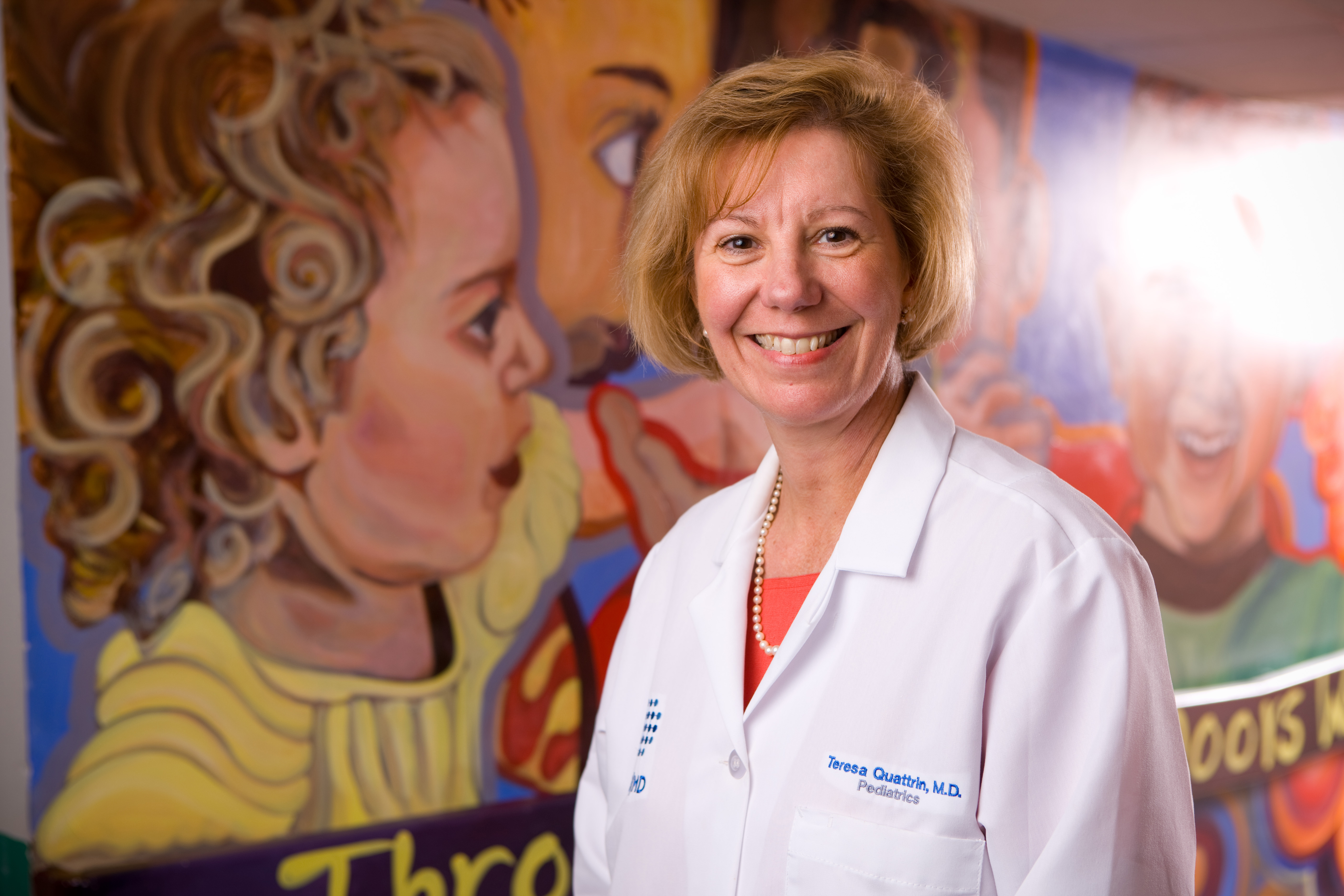
Teresa Quattrin standing in front of a colorful mural of children.
Parental involvement is an important part of treating overweight and obese preschoolers, says Teresa Quattrin.

Parent involvement in the primary care setting results in sustained weight loss for parent and child; parents had an average 14-pound loss

Release Date: July 24, 2014
“Our results show that the traditional approach to overweight prevention and treatment focusing only on the child is obsolete.”
Teresa Quattrin, UB Distinguished Professor of Pediatrics
University at Buffalo
BUFFALO, N.Y. – Primary care treatment of overweight and obese preschoolers works better when treatment targets both parent and child compared to when only the child is targeted, according to research published this week in Pediatrics and conducted at the University at Buffalo and Women and Children’s Hospital of Buffalo.
Children enrolled in this study were overweight or obese and had one parent who participated in the study who also was overweight or obese, according to body mass index (BMI) measurements, calculated based on height and weight.
During the course of the study, children who were treated concurrently with a parent experienced more appropriate weight gain while growing normally in height. Children in the intervention group gained an average of 12 pounds over 24 months compared to children in the control group who gained almost 16 pounds.  This more appropriate weight accrual resulted in a decrease of 0.21 percent over BMI from baseline to 24 months.
Parents in the intervention group lost an average of 14 pounds, resulting in a BMI decrease of over 2 units while the weight of parents in the control group was essentially unchanged.  
“Our results show that the traditional approach to overweight prevention and treatment focusing only on the child is obsolete,” says Teresa A. Quattrin, MD, senior author and UB Distinguished Professor, chair of the Department of Pediatrics in the School of Medicine and Biomedical Sciences and pediatrician-in-chief at Women and Children’s Hospital of Buffalo.
“This study is important because while we know that it is critical to begin treating overweight or obese children early, there has been limited data on what works best in preschool-aged children,” she says.
The research was part of Buffalo Healthy Tots, a novel family-based, weight control intervention in preschool children that Quattrin directed in urban and suburban pediatric practices in Western New York.
When funded in 2010 with a $2.6 million grant by the National Institutes of Health, Buffalo Healthy Tots was the first of its kind in the U.S. The goal was to compare traditional approaches where only the child is treated to family-based, behavioral treatment implemented in pediatric primary care practices.
The study of 96 children ages 2–5 found that when overweight and obese youth and their parents were treated in a primary care setting with behavioral intervention, parents and children experienced greater decreases in body mass index (BMI) than did the children who received the traditional treatment, focusing only on the child. Weight loss for both parent and child was sustained after a 12-month followup.
Quattrin notes that an important feature of the study was the use of practice enhancement assistants, trained in psychology, nutrition or exercise science. These assistants worked with the families both during treatment and education sessions and afterward by phone.
The intervention was delivered through the parents, who were instructed about the appropriate number of food servings for children and appropriate calorie values. They were taught to avoid “high-energy” foods, such as those with high sugar content, more than 5 grams of fat per serving or artificial sweeteners.
Parents monitored the number of servings in each food category, using a simple diary to cross off icons pertaining to the food consumed or type of physical activity performed. Parents also were taught to record their own and their child’s weight on a simple graph.
Weight loss goals for children were 0.5 to 1 pound per week and for parents it was at least 1 pound per week.
Quattrin says that the study results suggest that overweight or obese children and their parents can be successfully treated in the primary care setting with the assistance of practice enhancers.
“Instead of the more traditional approach of referring these patients to a specialty clinic, the patient-centered medical home in the pediatrician’s office may be an ideal setting for implementing these family-based treatments,” she says.
“We have entered a new era where students, trainees and specialists have to learn how to better interact with primary care providers and implement care coordination. This paper suggests that, indeed, family-based strategies for any chronic disorder, including obesity, can be successful in primary care. The pediatrician’s office can become a ‘family-centered medical home.’ ”
In addition to Quattrin, other co-authors are Leonard H. Epstein, PhD, SUNY Distinguished Professor, Michelle A. Ecker, RD, CDE and Rocco Paluch, all of the UB Department of Pediatrics; James N. Roemmich, PhD, of the UB Department of Pediatrics and the USDA/ARS Grand Forks Human Nutrition Research Center; and Jihnhee Yu, PhD, of the UB Department of Biostatistics.

- See more at: http://www.buffalo.edu/news/releases/2014/07/029.html#sthash.YeVeL6Ta.dpuf

Is it really a concussion? Symptoms overlap with neck injuries, making diagnosis a tough call

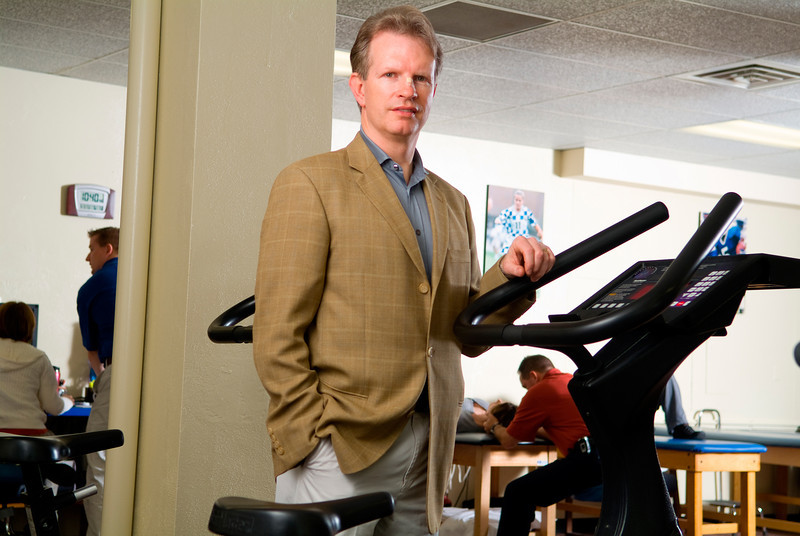
John Leddy standing next to a treadmill, which he uses in the treatment of concussion.
Research by UB's John Leddy has found that it is difficult to distinguish between concussion injury and neck injury based on symptoms alone.

UB sports medicine researchers find an alarming similarity in symptoms reported by patients experiencing different injuries

Release Date: July 29, 2014
“I think a lot of practitioners listen to the symptoms and just chalk it up to concussion, but if they also examined the neck in these people, they might discover that a neck injury is involved and that’s a treatable problem.”
John Leddy, clinical professor of orthopaedics
University at Buffalo
BUFFALO, N.Y. – Athletes and others reporting cognitive difficulties after a head injury are usually diagnosed as having had a concussion. But is it really a concussion? A new study published by University at Buffalo medical faculty finds that many of the same symptoms are common to concussions and to injuries to the neck and/or balance system, known collectively as cervical/vestibular injuries.
The research was based on responses about symptoms from 128 patients – some of whom were professional athletes – who were being treated at UB’s Concussion Management Clinic in the School of Medicine and Biomedical Sciences.
It was published online ahead of print last week in the Clinical Journal of Sport Medicine.
The purpose of the study was to determine how to distinguish between concussion injury and neck injury, based on symptoms.
“Based on our research, we conclude that some patients who have been told they’ve suffered a concussion, and whose symptoms persist for several months may actually have suffered a neck injury, rather than a concussion, or in addition to a concussion,” says John J. Leddy, MD, clinical professor in the UB Department of Orthopaedics and senior author.
He embarked on the study based on his experience as director of the UB Concussion Management Clinic.
“I’d seen enough patients in our clinic, some previously diagnosed with post-concussion syndrome, who continued to experience symptoms even after passing our treadmill test, which indicates full recovery from concussion,” says Leddy, who sees patients through UBMD, the physician practice plan of the UB medical school.
“The symptoms for both conditions are so nonspecific that it’s really hard to make a diagnosis based on them,” Leddy continues, “so we had to find another way to discriminate between them.”
To determine which of the respondents had probably sustained a concussion and which more likely had a neck injury, the UB researchers used the graded treadmill test developed by Leddy and co-author Barry Willer, PhD, UB professor of psychiatry.
“The treadmill test helps us make a first delineation between what I call physiologic concussion and other possible causes of cognitive symptoms,” says Leddy.
“Because a concussion is a brain injury, we thought that cognitive symptoms would be more likely associated with concussions,” he says. “Surprisingly, that didn’t turn out to be the case. People who have had neck injuries can also have problems with concentration and with memory. They feel like they’re in a fog, which is exactly what people report after concussion.”
Symptoms reported by both groups were headache, dizziness, blurred vision, poor concentration and memory deficits.
Patients in both groups filled out a detailed questionnaire concerning their symptoms. These responses were then correlated to their treadmill test results.
“Then we did some sophisticated statistical analysis,” says Leddy. “Even when we looked at the data in multiple ways, there was really no way to separate out the two groups based on their symptom patterns alone.”
Determining which condition a patient has experienced is critical, Leddy explains, because courses of treatment are very different.
“The treatment for a neck injury is actually to be more active, to do physical and vestibular therapy, to have a more active intervention, whereas after a concussion, exercise must begin slowly and incrementally after a period of rest,” he says.
Leddy notes that more research should be done on larger samples concerning concussion and neck injury.
In the meantime, he says, patients who think they’ve had a concussion and whose symptoms have not diminished after several months, should instead be examined for neck and vestibular injury by a sports medicine physician, a neurologist or a physiatrist, a specialist in rehabilitation medicine.
“I think a lot of practitioners listen to the symptoms and just chalk it up to concussion,” he adds, “but if they also examined the neck in these people, they might discover that a neck injury is involved and that’s a treatable problem.”
Physical symptoms specific to neck injuries include tenderness, neck spasms, reduced motion and reduced perception of where the head is in relation to the body, Leddy explains.
Co-authors with Leddy and Willer are John G. Baker, PhD, UB Department of Nuclear Medicine; Asim Merchant, MD and Jason Matuszak, MD, of the UB Department of Family Medicine; John Picano, an MD candidate at UB and Daniel Gaile, PhD, of the UB Department of Biostatistics.
The UB Concussion Management Clinic is a joint effort between the Department of Orthopaedics and the Department of Psychiatry. 
- See more at: http://www.buffalo.edu/news/releases/2014/07/040.html#sthash.BpCm3DNZ.dpuf

New Mouse Model May Open Autism Treatment Research Avenues

July 29, 2014 
The hallmark of an excellent researcher is an open mind. That flexibility and openness is what led Nina Schor, M.D., Ph.D., the William H. Eilinger Chair of Pediatrics at the University of Rochester, to follow a hunch about a brain receptor – resulting in a new mouse model that may give researchers a new avenue for testing drugs for autism. Nature Publishing Groups’ Translational Psychiatry published the study online today.
Schor had been studying p75 neurotrophin receptors in her long-standing neuroblastoma research, but she also knew that p75NTR is involved in the reaction to oxidative stress in the brain, which some research posits plays a role in the development of autism. The receptor is also prevalent in the developing brain and drops off as a child reaches 2 to 3 years old, which is when autism symptoms often begin to appear. P75NTR stays present in the typically developing cerebellum, hippocampus and basal forebrain, parts of the brain that are anatomically abnormal in autism.
“Science doesn’t always travel in a straight line,” Schor said. “Sometimes the importance of a scientific study in one field is what it unexpectedly tells us about another field.”
While other researchers are focused on the proteins found to be abnormal in patients with autism, Schor approached her investigation from the opposite direction. She thought about what characteristics a protein would have to have to be involved in processes thought to play a role in autism. “That list of characteristics looked suspiciously like those we had found to be associated with p75NTR.”
Then, Schor and her colleagues prevented mouse brains from making p75NTR in one autism-associated type of cell in the cerebellum. What they found was that not only does the mouse’s cerebellum resemble that of children with autism, but the mouse also behaves much like children with autism. They don’t engage in typical social behaviors of mice and instead, ignore stranger mice and lack curiosity about their surroundings. They also jump twice as much as typical mice, which is like a “stimming,” or self-stimulatory, behavior typical in children with autism.
“Whether or not p75NTR turns out to be abnormal in children with autism,” Schor explained, “these studies still hold the promise of helping us explain the mechanisms behind the component behaviors of children with autism.
Schor plans to continue the research, focusing on more behavioral testing, finding evidence of whether children with autism have a p75NTR deficit in their cerebellum and starting pharmaceutical testing to see whether there is a drug that can replace the role p75NTR plays in that part of the brain.
“It’s a long way from a mouse model to a successful treatment in humans, but this is a good clue,” Schor said.
Schor’s co-authors on the paper describing the study are Louis T. Lotta, Jr., Katherine Conrad, and Deborah Cory-Slechta, Ph.D., professor of Environmental Medicine. The study was funded by the William H. Eilinger Endowment of Golisano Children’s Hospital at the University of Rochester Medical Center and by a pilot grant from the Strong Children’s Research Center.

For Media Inquiries:
Heather Hare
(585) 273-2840
Email Heather Hare

Monday, July 28, 2014

Top health care executives appointed at ECMC Corp.

Cleland fine-tunes team to lead for future

BUFFALO, NY; July 29, 2014—Erie County Medical Center (ECMC) Corporation announced recently to staff members that the executive administration structure is being modified to better position the organization to respond to the changing health care environment and enhance the patient experience.

In April of this year, Richard C. Cleland, MPA, FACHE, NHA, was appointed by the ECMC Corporation Board of Directors as President/Chief Operating Officer and Interim Chief Executive Officer for the Corporation after the former Chief Executive Officer Jody L. Lomeo was named President/CEO of the Great Lakes Health System of WNY and Kaleida Health. Cleland previously served ECMC Corporation as Chief Operating Officer, and prior to that, as Senior Vice President of Operations (2006-2014). Cleland was formerly the administrator of Brothers of Mercy Nursing and Rehabilitation Center (2000-2006). He was also Director of Maintenance, Plant Operations, and Environmental Services at Brothers of Mercy (1994-2000). Cleland’s history with ECMC dates back to the late’80s and early’90s when he served as Director and Assistant Director of Cleaning Services (1988-1994).

    Richard Cleland, MPA, FACHE, NHA

Richard Cleland holds a Master of Public Administration from Canisius College. He has a New York State Nursing Home Administrator’s license and a certification from St Joseph’s College of Maine in Long Term Care Administration (2003). He earned his undergraduate degree from Buffalo State College. He is on staff at both D’Youville College (Health Services Administration) and Erie Community College (Business Administration). He is a Fellow of the American College of Health Care Executives. He was one of the first two ECMC executive administrators specially selected to participant in a nine-month Harvard University leadership development program. Cleland resides in Clarence.

Stephen M. Gary, Sr., CPA, CGMA, appointed this month as Chief Financial Officer for ECMC Corp, comes to ECMC with a vast amount of education and experience. He holds a Bachelor of Science in Accounting from St. John Fisher College and a Master of Business Administration in Finance from the Rochester Institute of Technology. In addition, he is a Certified Public Accountant. Gary’s experience includes internal health system/hospital expertise serving Academic Medical Centers, Regional and National Health Systems and Teaching Hospitals as Chief Financial Officer. He has also served in the financial industry in public accounting and in national consulting practices. Gary’s broad experiences include not only traditional financial roles, but also physician relations and contracting, managed care, operations management, capital formation, mergers and acquisitions, and restructurings. Gary lives in East Amherst. 

      Stephen M. Gary, Sr., CPA, CGMA

Mary Laski Hoffman, RN, MBA, FACHE, appointed this month as a member of the ECMC Corp. executive team to the position of Senior Vice President of Operations at ECMC Corp., comes to ECMC with extensive health care experience and expertise. She most recently held the position of Chief Operating Officer for Lawley Benefits Group (2009-2013). Prior to that, she served as President and Chief Executive Officer of Kenmore Mercy Hospital (KMH) (2004-2009). With over 20 years of experience at Kenmore Mercy and the Catholic Health System (CHS) combined, she served in roles including Vice President of Professional Affairs for CHS (1999-2004); Vice President of Professional Services at KMH (1990-1999) and Director of Quality Review Activities at KMH (1988-1990). Mary holds a Bachelor of Science in Nursing from Niagara University and a Master of Business Administration from the State University of New York at Buffalo School of Management. She became a Fellow in the American College of Healthcare Executives (FACHE) in 2007. She lives in the Town of Tonawanda. 

    Mary Laski Hoffman, RN, MBA, FACHE

ABOUT ECMC: The ECMC Corporation includes an advanced academic medical center (ECMC) with 550 inpatient beds, on- and off-campus health centers, more than 30 outpatient specialty care services and Terrace View, a 390-bed long-term care facility. ECMC is the regional center for trauma, burn care, behavioral health services, transplantation, and rehabilitation and is a major teaching facility for the University at Buffalo. Most ECMC physicians, dentists and pharmacists are dedicated faculty members of the university and/or members of a private practice plan. More Western New York residents are choosing ECMC for exceptional patient care and patient experiences—the difference between healthcare and true care™.

Monday, July 21, 2014

Enjoy healthy summer grilling 


Forget hotdogs and hamburgers. Make healthy grilled food a hit at your summer cookout by incorporating fruits, veggies, lean meats and low-fat marinades.

“When we think of the grill, we automatically think of hamburgers,” said Patricia Salzer, a registered dietitian and health and wellness consultant with Univera Healthcare. “It’s easy to make grilling healthy, and healthy doesn’t have to mean ‘no flavor.’”

Salzer recommended switching up your grilling routine to incorporate more fresh produce and lean protein. Try the tips below, and check out the Univera Healthcare’s Pinterest page at http://www.pinterest.com/univerawny/ for recipes.

Swap out fatty meats for lean meats, poultry and fish.
Try chicken and vegetable kabobs for easy party food.
Ditch starchy sides for vegetables such as eggplant, asparagus, avocadoes, corn, jalapenos and romaine halves.

·        Swap out fatty meats for lean meats, poultry and fish
·        Try chicken and vegetable kabobs for easy party food.
·        Ditch starchy sides for vegetables such as eggplant, asparagus, corn, avocados, jalapenos and romaine halves.
·        Instead of flavoring foods with high-fat dressings, choose herbs and spices, vinegar, and extra-virgin oils.
·        Grill whole-wheat pizzas or bread to make crostini.
·        For a sweet treat, try grilled fruit – plantains, peaches, nectarines, melons, figs, apples or pineapple.

In some instances, grilling fatty meats hurts more than your cholesterol. Salzer said that the fat from meat can drip down onto the coals, creating smoke flare-ups that contaminate your food with carcinogens—cancer-causing agents. She recommended following these other tips to ensure safe and healthy grilling:

·        Marinate your meat to reduce carcinogens by forming a protective barrier around the food.
·        Use different platters for raw and cooked meat to reduce exposure to bacteria.
·        Clean your grill by scrubbing with a brush before and after cooking.
·        Avoid charring food or remove burnt sections before eating. They contain more carcinogens than the rest of the food.
·        Flip meat frequently to optimally reduce E. coli bacteria, and use a meat thermometer to be sure to heat to the recommended temperature (165 for ground poultry, 160 for ground red meats or mixtures and fresh pork, and 145 for red meat steak or chops)
·        Don’t cook meat past its goal temperature to avoid charring.


August is ‘Kids Eat Right’ Month: Nutrition Tips for Families

(StatePoint) With childhood obesity on the rise, making sure kids eat right and get plenty of exercise is vital.

Parents and caregivers can play a big role in children’s nutrition and health, teaching kids about healthy foods, being a good role model and making sure physical activity is incorporated into each day.

August, which is Kids Eat Right Month, is a great time for families to focus on the importance of healthful eating and active lifestyles. The Academy of Nutrition and Dietetics is encouraging families to take the following steps:

• Shop Smart. To encourage a healthy lifestyle, get your children involved in selecting the food that will appear at the breakfast, lunch or dinner table.

• Cook Healthy. Involve your child in the cutting, mixing and preparation of meals. They will learn about food and may even be enticed to try new foods they helped prepare.

• Eat Right. Sit down together as a family to enjoy a wonderful meal and the opportunity to share the day’s experiences with one another. Research indicates that those families who eat together have a stronger bond, and children have higher self-confidence and perform better in school.

• Healthy Habits. You can help kids form great, healthy habits by setting a good example. Fill half your plate with fruits and vegetables, choose lower-sodium options, and make at least half the grains your family eats whole grains. For beverages, choose water over sugary drinks, and opt for fat-free or low-fat milk.

• Get Moving. Aside from being a great way to spend time together, regular physical activity is vital to strengthen muscle and bones, promote a healthy body weight, support learning, develop social skills and build self-esteem. Kids are encouraged to be active for 60 minutes per day.

Getting kids to eat right can sometimes be a challenge, particularly if they are picky eaters. But experts say that a conversation can help.

“Talk to your children. Learn the foods they like. Teach them about the foods they need for their growing bodies. Find ways together to make sure they have the knowledge and ability to eat healthy and tasty foods at every meal,” says Angela Lemond, registered dietitian nutritionist and Academy of Nutrition and Dietetics spokesperson.

It may help to consult a registered dietitian nutritionist in your area to ensure your family is getting the nutrients it needs with a meal plan tailored to your lifestyle and busy schedule.

For more healthful eating tips, recipes, videos and to learn more about Kids Eat Right Month, visit www.KidsEatRight.org.

This August, reevaluate your family’s eating and exercise habits, and take steps to make positive, healthful changes.


Niagara Falls Named Semifinalist in National “Way to Wellville” Competition


One of 16 Communities Selected by Esther Dyson-backed Nonprofit

Niagara Falls, New York has been selected as one of 16 semifinalists in The Way to Wellville, a national competition to find five communities to compete over five years for the greatest improvement in five measures of health. The initiative is sponsored by HICCup (www.hiccup.co), a nonprofit founded by angel investor Esther Dyson to encourage community-led innovation that results in healthier people and places.

HICCup’s six-person advisory board selected the 16 semifinalists from a highly competitive field of 42 community applications received from 24 states. Semifinalist communities will now submit full proposals by June 27 detailing their vision and plans for the next five years.

“It sounds trite, but it is extremely difficult to choose,” said Ms. Dyson. “The number and quality of applications is a testament to the exceptional places and dedicated leaders eager to make a difference in the health of their communities.”

Mayor Paul Dyster said, “I am so thrilled and grateful that the “Creating a Healthier Niagara Falls Collaborative” was selected as a semi-finalist in the HICCup Competition.  Our Task Group to Create a Healthier Niagara Falls has worked diligently to bring health awareness to our citizens, and Niagara Falls with its high poverty rate and health issues will really benefit from the effects of the HICCup initiative.  Anything that improves the health and health care system for our citizens will go miles in securing their strength, stability, and dignity—and we all appreciate this special designation from HICCup”.

 “Having the opportunity to apply and to become a semi-finalist in the HICCup competition has been a catalyst to mobilize the Mayor’s Task Group to a higher level. Speaking on behalf of the Mayor’s Task Group we are thrilled to have this opportunity to become a finalist.” stated Shelley Hirshberg, Chair of the Mayor’s Task Group.

After reviewing semifinalist proposals, the HICCup advisory board will select a smaller number of finalist communities for site visits in July and early August. The selection will culminate in mid-August with the announcement of five Wellville communities to compete in the five-year contest. The Wellville Five will attend the Next Step to Wellville conference, September 16-18, 2014, in Tampa, Florida, to kick off the five-year effort.

The five communities that earn a spot in the five-year contest will receive support from HICCup and a network of partners in the areas of health data/measurement, consumer- and community-based health solutions, and innovative health financing strategies. The effort will measure the impact of coordinated, community-wide initiatives, while creating new models and markets for the production of health.

“The idea behind The Way to Wellville is not just to make a measurable difference in five places, but to design and deliver a comprehensive approach to health that can be replicated broadly,” said Rick Brush, CEO of HICCup. “Together with our Wellville partners, five communities will point the way to better health and financial sustainability.”

The 16 semifinalists for The Way to Wellville contest are:
·      Athens County, OH
·      Clatsop County, OR
·      Clinton County, NY
·      Columbus, IN
·      Garden City, KS
·      Greater Muskegon, MI
·      Jackson, TN
·      Lake County, CA
·      Lynchburg, VA
·      Niagara Falls, NY
·      Oxford County, ME
·      Scranton, PA
·      Spartanburg, SC
·      Starkville, MS
·      Wilkes County, NC
·      Winona, MN

About HICCup
HICCup stands for Health Initiative Coordinating Council. It is a nonprofit supported since mid-2013 through charitable contributions from Esther Dyson, in-kind resources, and extensive field research and development among a growing group of guiding organizations, partners and communities. HICCup is fiscally sponsored by New Venture Fund (www.newventurefund.org). Additional partners, funders and collaborators are encouraged to visit www.HICCup.co and contact rick@hiccup.co.

To learn more contact Shelley Hirshberg at sbh7274@gmail.com.


Sunday, July 20, 2014

Old Fort Niagara acquires lifesaving device


Old Fort Niagara in Youngstown, New York now has a semi-automated external defibrillator on site, thanks to an underwriting grant from Univera Healthcare. With the device, known as an AED, the fort is better equipped to respond to a sudden cardiac arrest. Each year more than 150,000 visitors explore the 22 acre site that’s listed as a National Historic Landmark.  
 
An AED is about the size of a child’s lunchbox, and is used in cases of life-threatening cardiac arrhythmias where the heart is electrically active, but in a dysfunctional pattern that doesn’t allow it to pump and circulate blood. This abrupt loss of function is known as cardiac arrest and, if not treated within minutes, quickly leads to death. 

An AED delivers an electric shock through the chest to the heart that can stop an irregular rhythm and allow a normal rhythm to resume. The device also coaches the user in the proper administration of CPR, including providing a metronome beat to help the user count and time CPR chest compressions. Immediate use of an AED, in conjunction with CPR, offers a chance at survival. 

“In a cardiac emergency, it’s important to have an AED within reach since the likelihood of resuscitation decreases by about 10 percent with every minute that passes,” said Art Wingerter, Univera Healthcare president. “Old Fort Niagara is fairly isolated at the far end of the state park, which, at best, is about a four minute drive from the center of Youngstown.”

The current national survival rate for sudden cardiac arrest is less than 5 percent. The American Heart Association estimates that 50,000 lives would be spared every year if AEDs were readily available to cardiac arrest victims. 

“For almost 300 years, Old Fort Niagara has maintained its post at the mouth of the Niagara River, protecting the Great Lakes and the American heartland for the nations of France, Great Britain and the United States,” said Robert L. Emerson, executive director of Old Fort Niagara. “With Univera Healthcare’s generous grant to fund the purchase of an AED, the fort is now better equipped to protect the people who visit, work and volunteer at the site.”  

Emerson said he was pleasantly surprised when Univera Healthcare approached him “out of the blue” with an offer of grant funding, since an AED had long been on the fort’s wish list. 

The AED underwritten by Univera Healthcare is manufactured by Philips. It is semi-automated and issues voice commands that instruct the user on how and where to connect sensor pads to the patient. The pads allow the AED to examine the electrical output from the heart and determine if the patient is in a shockable rhythm (either ventricular fibrillation or ventricular tachycardia). If the device determines a shock is warranted, it will provide instruction to the user on how to deliver the electrical charge. If the sensors don’t detect a shockable rhythm, the device will not allow a shock to be administered. 

Note:  For patients who present a “flat line” (the absence of any cardiac electrical activity), the AED will state that no shock is advised. For those patients, the only chance for survival is to try to establish a shockable rhythm through CPR, which is why it is imperative that CPR be carried out immediately, even prior to the arrival of an AED or medical professionals.  

Underwriting grants from Univera Healthcare and its parent health plan have placed more than 150 AEDs into service across upstate New York, including at the Albright Knox Art Gallery, Frank Lloyd Wright’s Martin House Complex, and the Buffalo and Erie County Naval & Military Park. 

Univera Healthcare also has donated nearly three dozen AEDs to area law enforcement agencies, including the Erie, Wyoming and Chautauqua County Sheriff’s Departments. “In rural parts of our service area, a Sheriff is often the first responder to a medical emergency.” said Wingerter.     

Cancer Answers: Complementary Medicine & Cancer


When: Tuesday August 5, 2014 from 6-8pm
Where: American Red Cross (Rear Building)
           786 Delaware Ave. Buffalo, NY 14209

Complementary Medicine: “What’s quackery, what’s not?” A look at some proven complementary therapies, not meant to replace conventional treatment, but to help cancer patients thrive. What is Reiki? Tia Chi? How does acupuncture help with pain management? What is a Holistic Approach to treating cancer? Learn from experts how these and other ‘complementary’ therapies can help cancer survivors cope with treatment, and long term side effects of cancer treatment. Cancer Answers is a free series of programs, sponsored by the WNY Ovarian Cancer Project, but relative to all cancer survivors. The sessions feature experts from our community talking about issues pertinent to the daily lives of cancer patients & caregivers. For this session experts include: Suzanne Hess, PhD. from Roswell Park, Patricia Mahone, RN & Barbara Simpson, RN from the Gate of Life Acupuncture & Trish Nafkey, LMT, Reiki Master from Core Concepts Wellness.   Each session will allot time for Questions & Answers, are free and open to the public.
In 2009, the Society for Integrative Oncology issued evidence-based clinical practice guidelines for health care providers to consider when incorporating complementary health approaches in the care of cancer patients. The guidelines point out that, when used in addition to conventional therapies, some of these approaches help to control symptoms and enhance patients’ well-being. The guidelines warn, however, that unproven methods should not be used in place of conventional treatment because delayed treatment of cancer reduces the likelihood of a remission or cure. Studies show those who had been diagnosed with cancer were more likely than others to have used complementary approaches for general wellness, immune enhancement, and pain management.

Surveys have also shown that many people with cancer do not tell their health care providers about their use of complementary health approaches. It is essential that cancer patients be comfortable in telling their oncologist about their use of herbal and other supplements, as these may interfere or make their chemotherapy less effective. No complementary health product or practice has been proven to cure cancer. However, some complementary approaches may help people manage cancer symptoms or treatment side effects and improve their quality of life.

For more information:

Kathleen Maxian, President
kmaxian@wnyovariancancerproject.org

716-946-6437